
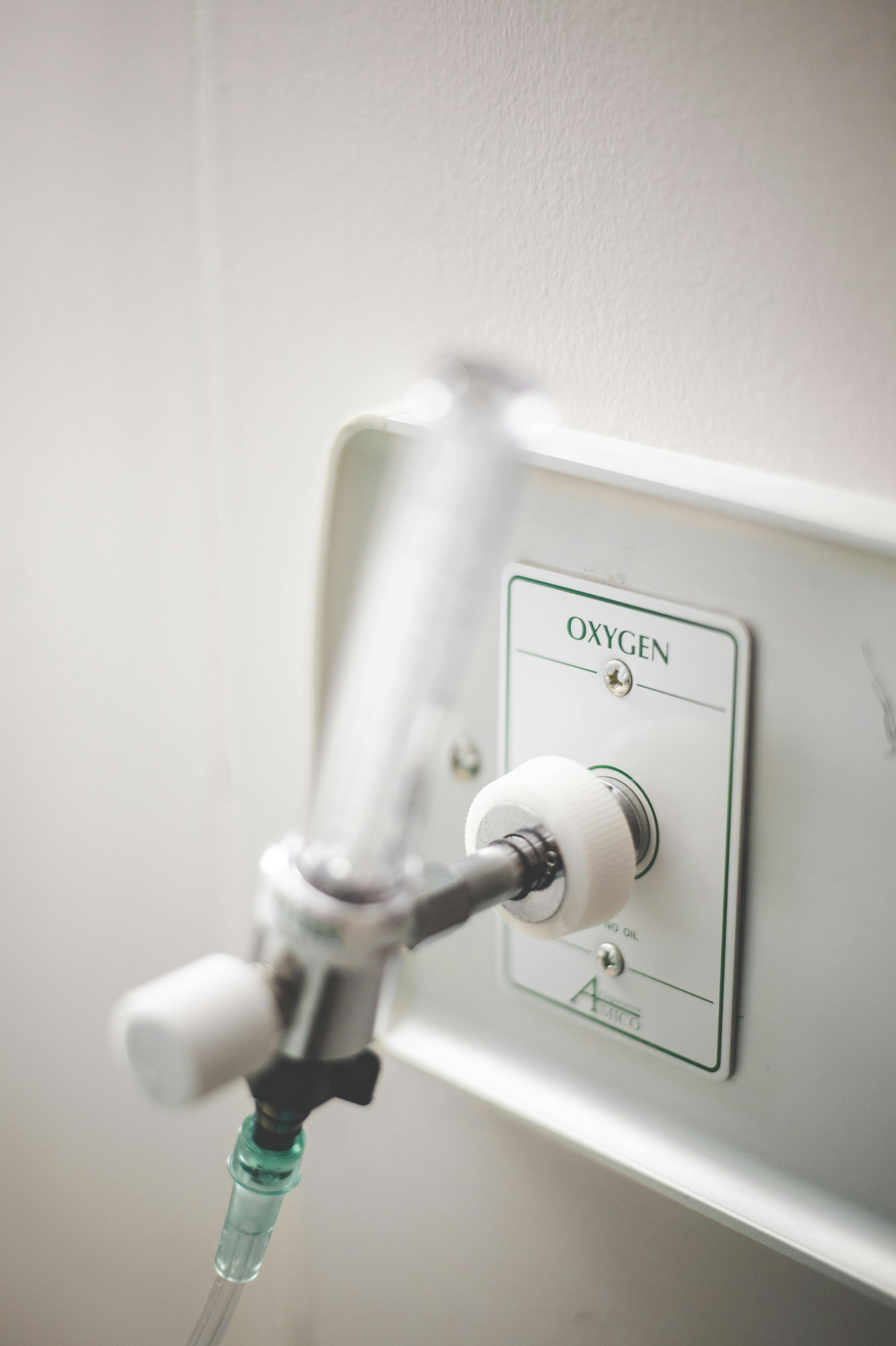
The Role of Oxygen Delivery Systems in Disaster Management: A Look into Strategies for 2023
As the world moves into 2023, healthcare systems face new challenges related to oxygen delivery in disaster management situations. This critical resource has known stress under pandemic-level strain, with concerns still ongoing about the scalability and reliability of medical oxygen supply systems. With numerous hospitals having already experienced a deficit in these systems, it's crucial to analyze and understand substantial preventative measures.
Oxygen Delivery Challenges During Extreme Events
In unexpected crisis situations like the Covid-19 pandemic, healthcare facilities experienced high usage of oxygen, particularly in treating severe respiratory conditions. The surge in demand far exceeded the typical oxygen supply, leading to unexpected pressures on medical gas infrastructures. Issues arose from the freezing of equipment due to the high volume of cold liquid oxygen being delivered through pipelines. Essentially, the liquid oxygen doesn't have enough time to vaporize under such high-flow circumstances, causing a sudden reduction in flow. It's imperative that healthcare facility managers become knowledgeable on the strategies to tackle these challenges.
Effective Strategies for Oxygen Supply Management
Given the risks involved in another similar surge, healthcare providers and facilities managers can benefit from implementing several mitigation steps that would improve the medical gas infrastructure readiness for such unfortunate events. We will delve into the following strategies:
Monitoring and Deicing Vaporizers
To prevent problems stemming from excess ice buildup on oxygen vaporizers, it’s crucial facilities regularly monitor their systems and adopt safe deicing methods like hose spraying or steaming. As chipping at the ice can cause potential hazards and equipment damage, these aforementioned solutions provide a safer and non-aggressive method to address the icing issue.
Switching Vaporizers and Storing Extra Oxygen Canisters
Switching between vaporizers frequently helps prevent ice buildup. Facilities with multiple vaporizers in place are encouraged to switch more than once a day and to keep additional oxygen canisters as an emergency backup. Cylinders storing compressed oxygen gas can also be effective solutions, although they should be handled with care due to their potential dangers.
Regulator Adjustments and Pipeline Maintenance
To ensure a consistent oxygen flow during high-demand periods, adjusting final line regulators to increase the system's overall pressure may be necessary. On this same note, keeping pipes in good condition to prevent breakdowns is critical to handling such demand.
Identifying Risk Areas and Regular Maintenance
Regular inspection and testing of medical gas systems are vital to maintaining a fully functioning and safe oxygen supply. Professional evaluations can help identify risk areas and potential improvements whilst ensuring adherence to NFPA 99 regulations.
In conclusion, the impact of major health crises on oxygen supply systems has compelled healthcare facilities to reassess their strategies. Although these challenges are significant, they can be met with effective and strategic management. Hospitals and health care providers must be proactive in their anticipation and preparation for potential spikes in oxygen demand to ensure they continue to deliver safe and effective patient care.
Orignal story posted at https://www.chthealthcare.com/blog/medical-oxygen-system
Read more about this topic at
Medical Oxygen System: Extraordinary Use and Strategies ...
Managing Hospital Oxygen Supplies

